Orkut Comeback Buzz: Founder Seeks Public Support for a New Social Network
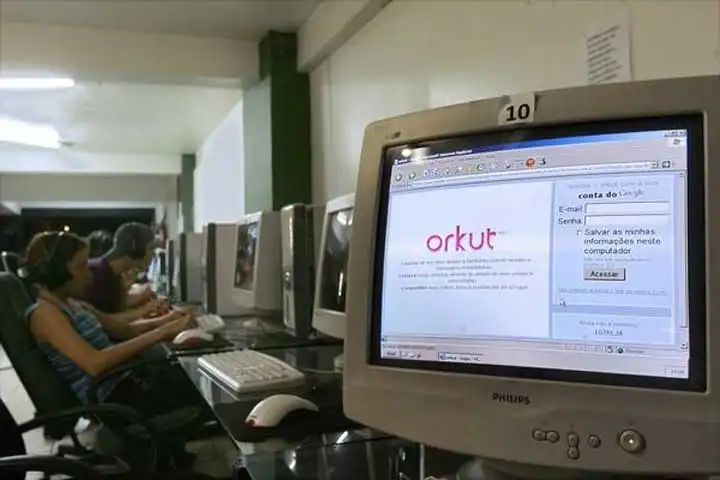
New Delhi: Orkut, the social networking platform that became a favourite among millions of internet users in India during the 2000s, is back in the spotlight after its founder, Orkut Büyükkökten, launched a campaign seeking public support for a new social networking initiative.
The move has revived memories of the platform’s early days, when online communities, friendship networks and personalised profiles were central to the social media experience. However, despite growing interest in its possible return, the original Orkut platform has not officially relaunched, and no launch date has been announced.
Büyükkökten recently invited users to visit the official website, Orkut.com, register their support and share a supporter card with friends they would like to see on the proposed platform.
Why Does Orkut Want to Return?
In an open letter published on the official website, Büyükkökten argued that social media has moved away from meaningful human connections towards engagement-driven feeds and algorithm-based recommendations.
He expressed concern about the growing presence of bots, AI-generated content and deepfakes, which can make it harder for users to distinguish genuine human interactions from synthetic online activity.
His vision is to build a more human-centred internet where people can form authentic relationships, discover communities with shared interests and communicate with greater confidence about who is on the other side of a conversation.
The proposed initiative places friendship, trust, kindness and a sense of belonging at the centre of the social networking experience.
How Can Users Support the Orkut Initiative?
People interested in the proposed social network can visit the official website, https://orkut.com, and add their names to the supporter list.
The website also encourages participants to share their supporter cards with friends and invite them to support the initiative.
The campaign is intended to demonstrate public interest in a new social network focused on genuine connections. Signing up, however, does not mean that users have received an account on a relaunched platform or secured their old usernames.
What Happened to the Original Orkut?
Launched in January 2004 as a project developed by Google engineer Orkut Büyükkökten, Orkut became particularly popular in India and Brazil. Its community groups, profile testimonials and friend networks helped define an early era of online social interaction.
Over time, the platform faced increasing competition from services such as Facebook. Google eventually discontinued Orkut on September 30, 2014, as the company shifted its focus towards other products.
The shutdown marked the end of a major chapter in the early history of social networking, although the platform continued to hold nostalgic value for many former users.
Will the Old Orkut Accounts Return?
For now, there is no confirmed information indicating that old Orkut accounts, photographs, messages, friend lists or community discussions will be restored.
The founder’s current campaign focuses on gathering support for a proposed social network built around authentic people and meaningful communities. Details about its technical development, features, ownership arrangements and launch timeline have not been confirmed publicly.
It is also unclear whether the proposed service will reproduce the original Orkut experience or introduce an entirely new design and set of features.
A New Direction for Social Media?
The renewed interest in Orkut comes at a time when concerns about algorithm-driven content, online authenticity and AI-generated interactions are becoming increasingly prominent in discussions about social media.
Whether the campaign leads to a functioning platform remains to be seen. For former Orkut users, however, the initiative offers a reminder of an internet era when community groups and personal connections played a different role in online life.
For now, the comeback remains a proposal backed by a public support campaign rather than a confirmed return of the original social networking service.